Custom Hair Loss Treatments | Compounding Pharmacy Etobicoke
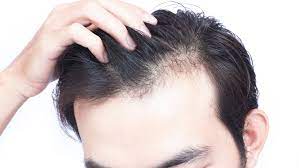
Hair loss affects roughly half of all men and a third of women by middle age — and the emotional toll often runs deeper than the physical change. If you've tried over-the-counter products without results, or struggled with the side effects of standard medications, there's a clinical alternative worth discussing with your healthcare provider: compounded hair loss treatments prepared at a pharmacy that specializes in custom formulations.
At Humber Bay Compounding Pharmacy in Etobicoke, we work with prescribers across the GTA to prepare personalized topical and oral treatments for androgenetic alopecia (pattern hair loss) and other forms of thinning. Here's what you should know about how compounding fits into hair restoration in 2026 — and why more physicians are writing prescriptions for custom formulations.
Why Standard Hair Loss Medications Don't Work for Everyone
The two most established treatments for androgenetic alopecia — minoxidil (the active ingredient in Rogaine) and finasteride (the active ingredient in Propecia) — have decades of clinical data behind them. They remain effective first-line options for many patients. But they have real limitations.
Commercial minoxidil is available in fixed strengths — typically 2% and 5% — and in limited delivery formats (foam or liquid). Some patients need a higher concentration to see results. Others experience scalp irritation from the propylene glycol or alcohol base used in mass-produced versions. Finasteride, taken orally, is effective at blocking the hormone (DHT) that drives follicle miniaturization, but a subset of patients report unwanted systemic side effects including reduced libido — leading many to discontinue treatment before they see results.
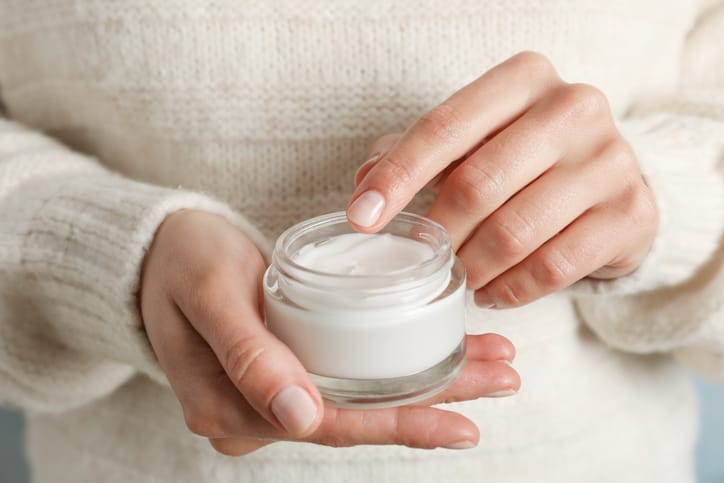
This is where compounding changes the equation. A compounding pharmacy can prepare minoxidil at concentrations above 5%, combine multiple active ingredients into a single topical preparation, remove irritating excipients, and formulate delivery vehicles optimized for scalp absorption. The result is a treatment matched to the individual patient rather than a mass-market average.
What Compounded Hair Loss Treatments Look Like in Practice
Compounded hair loss prescriptions vary based on the patient's diagnosis, severity, gender, and tolerance profile. Your physician or dermatologist prescribes the formulation; our pharmacists compound it to those exact specifications. Common approaches include:
Custom-strength minoxidil: Concentrations ranging from 2% up to 10% or higher, compounded in bases selected to minimize irritation and maximize follicular penetration. Patients who plateau on commercial 5% minoxidil may benefit from a higher-strength preparation prescribed by their clinician.
Combination topicals: A single topical solution or cream containing minoxidil along with finasteride, tretinoin, or other active agents. Topical finasteride, in particular, has gained clinical attention because it may reduce DHT at the scalp level while limiting systemic exposure — an approach that appeals to patients concerned about oral finasteride's side effect profile. Combining agents in one application also simplifies adherence, which matters in a treatment that requires months of consistent use.
DHT-blocking compounds: Custom preparations containing anti-androgen agents can be formulated for patients whose hair loss is primarily driven by hormonal sensitivity. These are always prescribed and monitored by a physician.
Allergen-free and excipient-controlled formulations: Patients with sensitivities to alcohol, propylene glycol, fragrances, or dyes can receive their hair loss medication in a clean base free of those triggers — something not available from commercial manufacturers.
Every preparation at Humber Bay Compounding Pharmacy is made in our Level C Hazardous Non-Sterile Compounding Facility, following Ontario College of Pharmacists (OCP) and NAPRA standards. Hormonal compounds such as finasteride are classified as hazardous drugs and require specialized handling — our facility is equipped and certified for this work.
Why More Prescribers Are Turning to Compounding for Hair Loss
The hair loss treatment landscape in 2026 is shifting toward combination and personalized therapy. Clinical evidence increasingly supports using multiple agents together — a 2023 UK real-world study of over 500 patients found that combined oral minoxidil and finasteride therapy produced stable or improved outcomes in more than 90% of patients over twelve months. This combination approach is becoming the clinical standard, and compounding pharmacies are the practical mechanism that makes multi-drug topical formulations possible.
Compounding also addresses a gap that commercial drug manufacturers have historically ignored: the needs of female patients. Women experiencing hair loss often require different concentrations of minoxidil, may need to avoid oral finasteride entirely due to teratogenicity risks, and benefit from topical formulations that work within their hormonal context. A compounding pharmacist can prepare gender-appropriate, physician-prescribed formulations that don't exist on any commercial shelf.
For prescribers in Etobicoke, Mississauga, and the Toronto west end, partnering with a local compounding pharmacy means faster turnaround on custom prescriptions, direct communication with the compounding pharmacist, and the ability to fine-tune formulations based on how the patient responds over time.
Frequently Asked Questions
Do I need a prescription for compounded hair loss medication?
Yes. All compounded hair loss treatments — including custom-strength minoxidil and topical finasteride — require a prescription from a licensed physician, dermatologist, or nurse practitioner. Your prescriber determines the active ingredients, concentrations, and formulation type based on your diagnosis. Our pharmacists then prepare the medication to those specifications.
How long does it take to see results from compounded hair loss treatment?
Hair growth is a gradual process. Most patients begin to notice reduced shedding within two to three months and visible regrowth by six months of consistent use. Because compounded formulations are tailored to your specific needs, your prescriber may adjust the formulation over time to optimize results. Consistency is key — interrupting treatment typically leads to resumed hair loss.
Will my insurance cover compounded hair loss medications?
Coverage varies by insurance plan. Some private benefit plans in Ontario do cover compounded medications, while ODB (Ontario Drug Benefit) generally does not cover compounded preparations. We recommend contacting your insurance provider directly. Our pharmacy team can provide documentation to support claims when needed.
Take the Next Step
Hair loss is a medical condition with clinical treatment options — not something you have to accept without exploring what's available. If commercial products haven't worked for you, or if you're looking for a more personalized approach, talk to your physician or dermatologist about compounded hair loss treatments. A prescription is the starting point; our pharmacists handle the rest.
Have questions about compounded medications? Contact Humber Bay Compounding Pharmacy at 647-348-2323 or visit us at 2240 Lake Shore Blvd W, Unit C107, Etobicoke. We're your local compounding specialists in Toronto's west end.